Menu
Schenectady Concrete Slab Costs: Size, Thickness, Reinforcement
Concrete Slab Schenectady
In order to determine the cost of a concrete slab project in Schenectady, one must consider all of the factors that will ultimately impact on your total project price. Contractors and homeowners alike in the Capital District are faced with a multitude of issues in the way of soil conditions, environmental or climate-related concerns, and local building codes, as well as how they apply to selecting materials and methods of construction for your project. For example, properties located adjacent to Union College’s campus often require special measures to be taken regarding drainage and foundation requirements, which are typical of this geographic location. An experienced professional can ensure that the concrete slab is of sufficient thickness and reinforced appropriately so that it meets both structural and budgetary requirements. A quality installation of a concrete slab will provide years of dependable service when installed and built with local conditions in mind.
Base Concrete Slab Costs in Schenectady
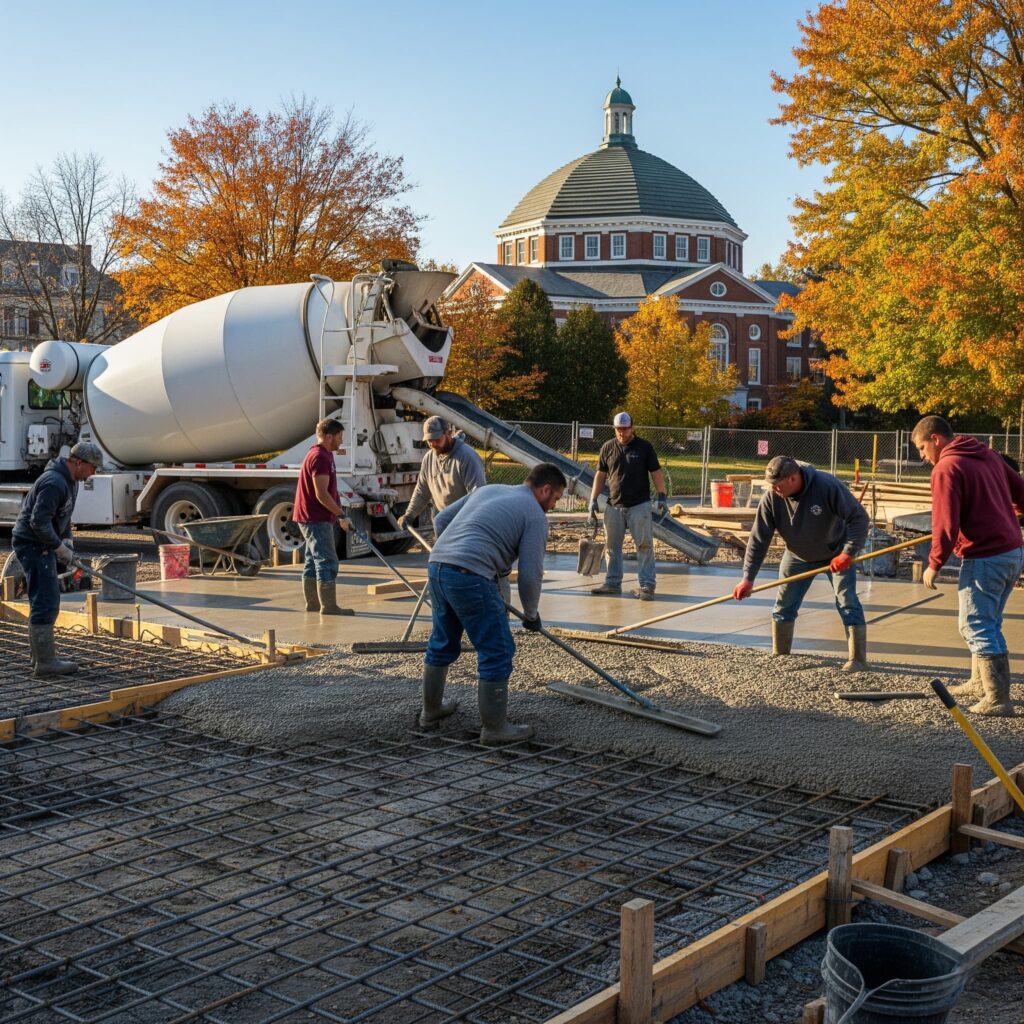
The estimated cost for installing a concrete slab is based upon two types of slabs, one being an unreinforced (non-reinforced) and the other being reinforced. Typically, the cost for a reinforced slab will be in the price range of $8-$16 per sq. ft. This cost varies from state to state as it relates to the cost of materials and the cost of labor for skilled workers. An unreinforced slab will have a lower cost than a reinforced slab, which would be in the price range of $7-$14 per sq. ft. However, unreinforced slabs are generally considered to be less durable than reinforced slabs for most applications.
A basic residential concrete slab with dimensions of 10 x 12 ft. will have an approximate total cost of $960-$1920, including the cost of professional installation of the slab.
Commercial and industrial applications will require thicker and heavier reinforced slabs. The cost for a commercial/industrial slab will range from $12-$20 per sq. ft. This cost variation is primarily due to the increased structural requirements for these types of slabs. Applications located in properties located near the Historic Stockade District will also require a specialized approach to their foundation designs. As a result, this can create increased costs associated with materials and labor.
Variations in Regional Pricing
Due to the higher cost of transporting materials and the higher cost of skilled labor for New York State compared to national averages, prices for products and labor will vary accordingly. Ready-mix concrete delivery costs will include a delivery fee that can range from $100-$200 per load, based on the distance from the local batching plant. In addition, if the job site has difficult access or site constraints, there may be an additional charge for the concrete pumping services.
As well, the demand for construction work is seasonal, and will cause fluctuation in pricing throughout the Capital Region. Peak construction season pricing will occur in the spring and summer months. Off-peak construction season pricing can provide a cost savings of 10-15%, with no reduction in the quality of the work.
Impact of Thickness on Cost
Typical residential concrete slab thicknesses are in the range of 4-6 inches, dependent upon the application requirements and the load requirements for each application. Garage floors, driveway applications, and heavy-duty applications should be 5-6 inches thick to be durable enough for the expected usage and performance. Patio applications and light-duty applications typically only require a 4-inch thickness, with sufficient reinforcement to meet the application requirements.
Each additional inch of thickness will increase the cost of the concrete slab material by approximately $1.50 to $2.50 per sq. ft. Properties that are located near the rose garden in Central Park may require thicker slabs, due to soil conditions and drainage considerations unique to the area.
Guidelines for Application-Specific Thickness Requirements
- Residential shed foundations are typically constructed with a 4-inch concrete slab thickness and minimal reinforcement. The estimated cost for a residential shed foundation will be in the price range of $4 to $8 per sq. ft.
- Garage floors will require a 5 to 6-inch concrete slab thickness, with steel reinforcement to support the weight of vehicles. The estimated cost for a garage floor will be in the price range of $8 to $14 per sq. ft.
- Workshop and storage applications will benefit from a 6-inch concrete slab thickness, with steel reinforcement for added durability and load-carrying capabilities. The estimated cost for a workshop/storage application will be in the price range of $8 to $14 per sq. ft.
- Basement floors in residential applications located near the Mohawk River will require a minimum of 6 inches of concrete with a vapor barrier and enhanced drainage system. Due to the additional moisture protection and site preparation requirements, the estimated cost for a basement floor will be in the price range of $12 to $18 per sq. ft.
Reinforcement Options and Estimated Costs
- Adding steel rebar reinforcement to a concrete slab will increase the cost of the slab by $2 to $4 per sq. ft. Steel rebar provides necessary strength and crack resistance to the concrete slab.
- Installing wire mesh reinforcement will increase the cost of the slab by $1 to $2 per sq. ft. Wire mesh provides some level of crack control and is a more cost-effective alternative to steel rebar reinforcement.
- Fiber reinforcement integrated into the concrete mix will increase the cost of the slab by $0.50 to $1.50 per sq. ft. Fiber reinforcement will improve the surface durability of the slab, without the requirement for separate installation labor.
Climate-Specific Reinforcement Requirements
Residential applications located in properties located within neighborhoods adjacent to Proctor’s Theatre will require additional reinforcement to accommodate the extreme winter conditions and soil movement patterns. The additional reinforcement will help prevent cracking caused by freeze/thaw cycles, while maintaining the structural integrity of the slab for extended periods of time.
Adding a vapor barrier under the slab will increase the cost of the slab by $0.75 to $1.50 per sq. ft. Vapor barriers will help protect against moisture infiltration from the ground, and will be beneficial for applications that have a high groundwater table or poor drainage.
Additional Site Preparation and Installation Costs
Proper site preparation will increase the total cost of the project by $2 to $5 per sq. ft. However, proper site preparation will help establish a stable foundation for the slab and will assist in preventing future settlement-related problems.
Removing the existing concrete slab will increase the cost of the project by $1.60 to $2.60 per sq. ft. Removing the existing slab will be required before the installation of a new slab for many applications, especially those in proximity to the GE Realty Plot area.
Installation of French Drains Around the Perimeter of the Slab
French drains installed around the perimeter of the slab will increase the cost of the slab by $8 to $15 per linear foot. Installing French drains will help prevent water damage and frost heave of the slab.
Installation of Utilities (Electrical, Plumbing, etc.) Under the Slab
The cost of installing utilities (electrical, plumbing, etc.) under the slab will vary widely and could be anywhere from $500 to $2000, depending on the complexity of the installation and the requirements for the particular application.
Radiant Floor Heating Installation Under the Slab
Installation of radiant floor heating systems under the slab will increase the cost of the slab by $11 to $25 per sq. ft. While radiant floor heating is a more expensive option, it does provide a high degree of comfort and is extremely energy-efficient.
Decorative and Finishing Options
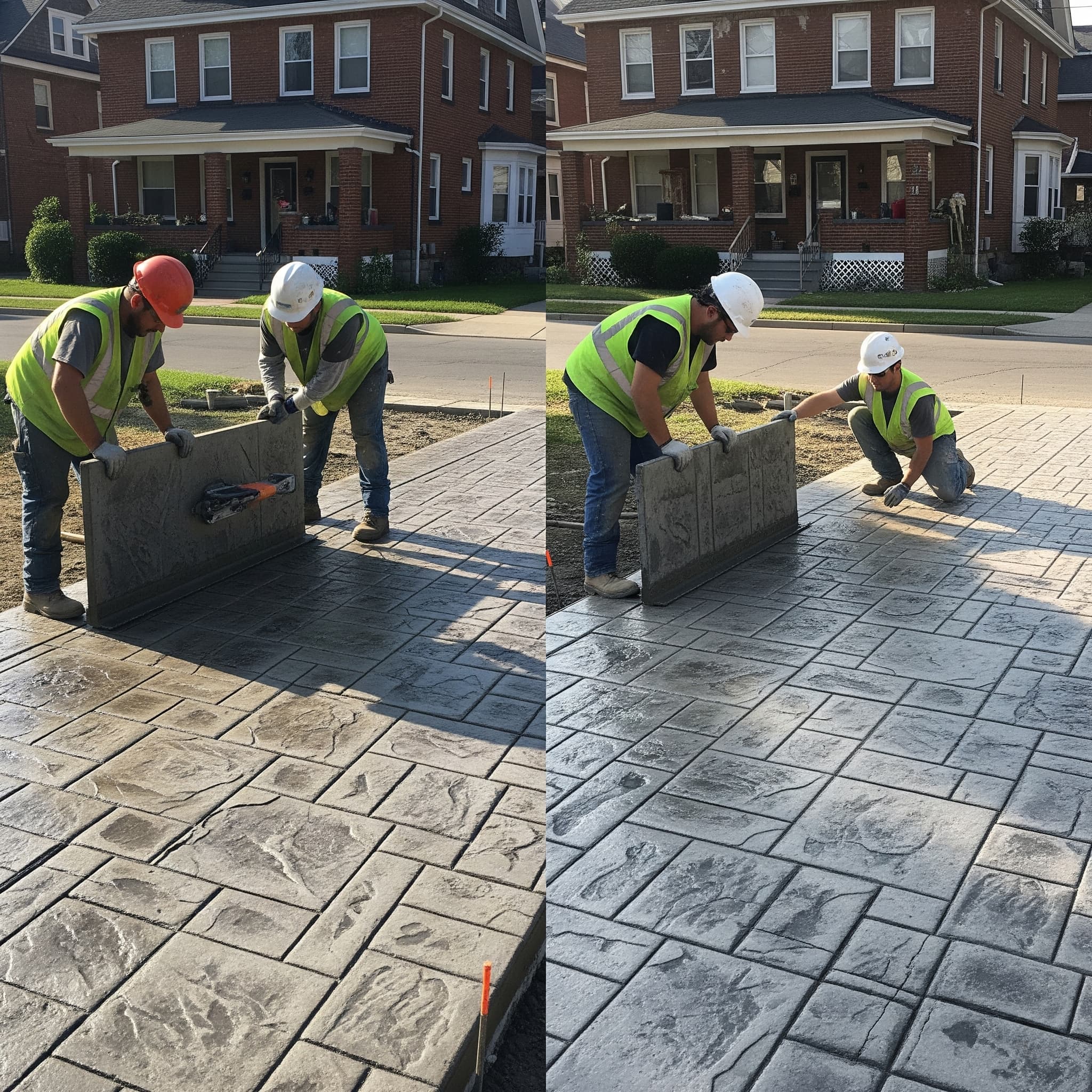
- Stamped concrete slab finishes will increase the cost of the slab by $8 to $19 per sq. ft. Stamped finishes will provide attractive patterns that resemble stone, brick, or slate, and are very popular with homeowners near Jackson’s Garden who want to enhance the functionality and aesthetics of their home.
- Staining concrete slabs will increase the cost of the slab by $3 to $15 per sq. ft. Staining the concrete slab will allow homeowners to choose from a variety of colors and will enhance the appearance of the slab.
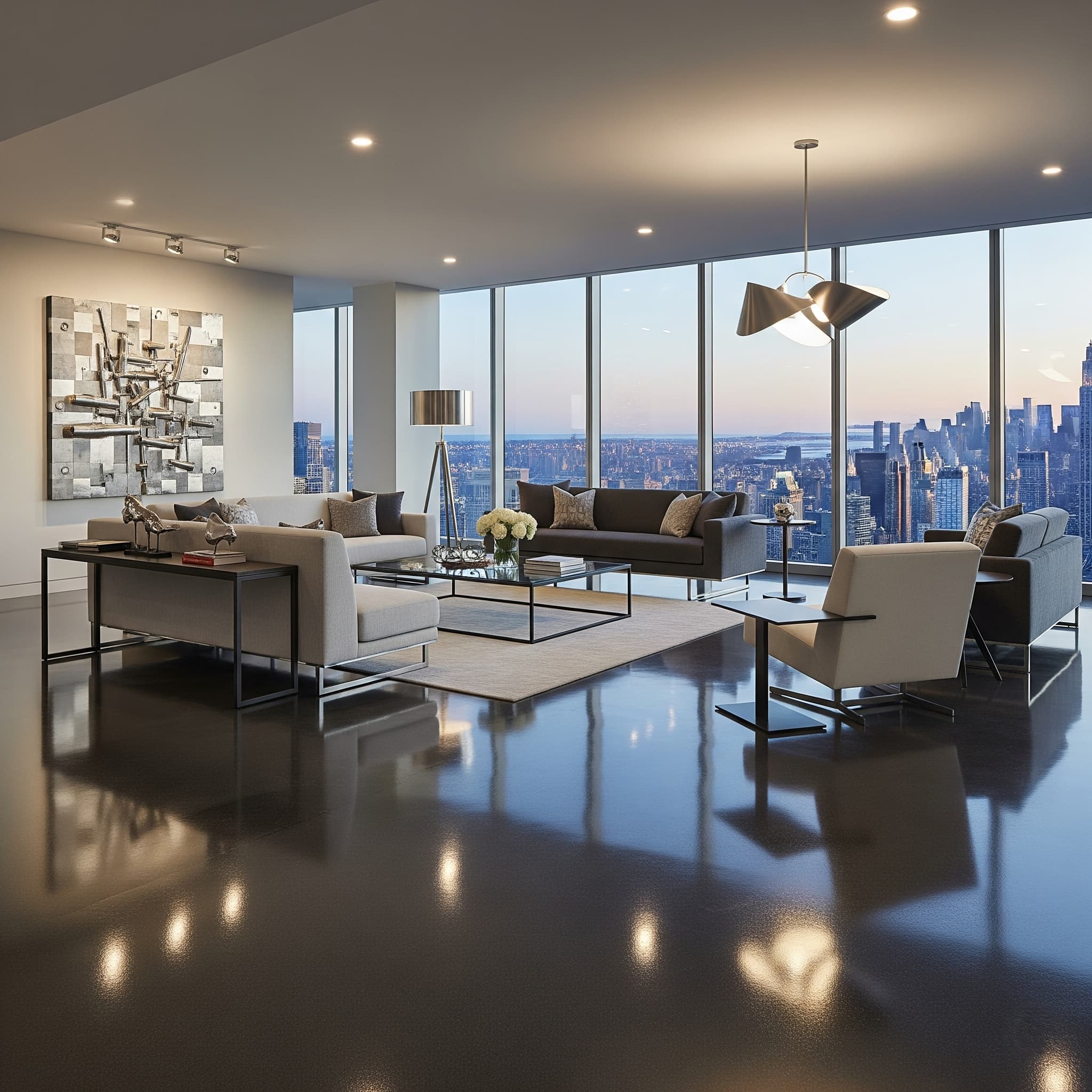
- Polishing concrete slabs will increase the cost of the slab by $3 to $15 per sq. ft. Polishing the concrete slab will provide a durable, low-maintenance surface that is ideal for garage and basement applications.
Obtaining Permits and Meeting Local Code Requirements
In Schenectady, NY, the cost of obtaining a permit for a concrete slab installation will depend on the size and complexity of the project. Typical costs for permits will range from $75 to $20,000. The City of Schenectady Building Department will review plans submitted for approval to ensure that the foundation meets all applicable codes and that the drainage requirements are met. Processing times for obtaining permits will typically take 5 to 10 working days for standard residential applications. If the project requires engineering, then processing times may be longer, as engineers must calculate the structural requirements for the foundation and submit their findings to the Building Department for approval. Engineering costs will be an additional expense to the homeowner and may range from $500 to $1500.
Optimizing Seasonal Scheduling and Costs
Peak construction season occurs in the spring and summer months. During this time, contractors will command a premium rate due to high demand for their services. Off-peak construction season occurs in the fall and winter months. Scheduling a concrete slab installation during off-peak season will provide a cost savings of 10 to 20%. In addition, scheduling during off-peak season will also allow the homeowner to select from a larger pool of available contractors and obtain better pricing.
Location-Specific Long-Term Value and Investment Benefits
A well-designed and well-installed concrete slab can last for 25 to 50 years or more, provided it is properly maintained. The initial investment in the slab will pay dividends over the long term through reduced maintenance costs and increased property values. Specifying a properly-designed slab will prevent premature failure of the slab, which may necessitate costly repair or replacement.
Economically Efficient Features for Residential Construction Projects
Features such as radiant heating systems and enhanced insulation will initially increase the cost of a concrete slab installation; however, they will provide long-term energy savings through reduced utility bills. These features will provide long-term economic benefits in upstate New York’s harsh climate, where heating costs represent a significant portion of the annual operating expenses for many homes and businesses.
About Schenectady Concrete Works
At Schenectady Concrete Works, we specialize in designing and constructing a wide array of custom concrete slabs and structures throughout the greater Capital Region. Our staff has extensive experience evaluating site-specific conditions, load requirements, and budgetary considerations to develop and implement creative solutions to meet our clients’ needs and exceed their expectations.