
Menu
How to Design a Concrete Walkway for Schenectady Winters
Concrete Walkway Schenectady
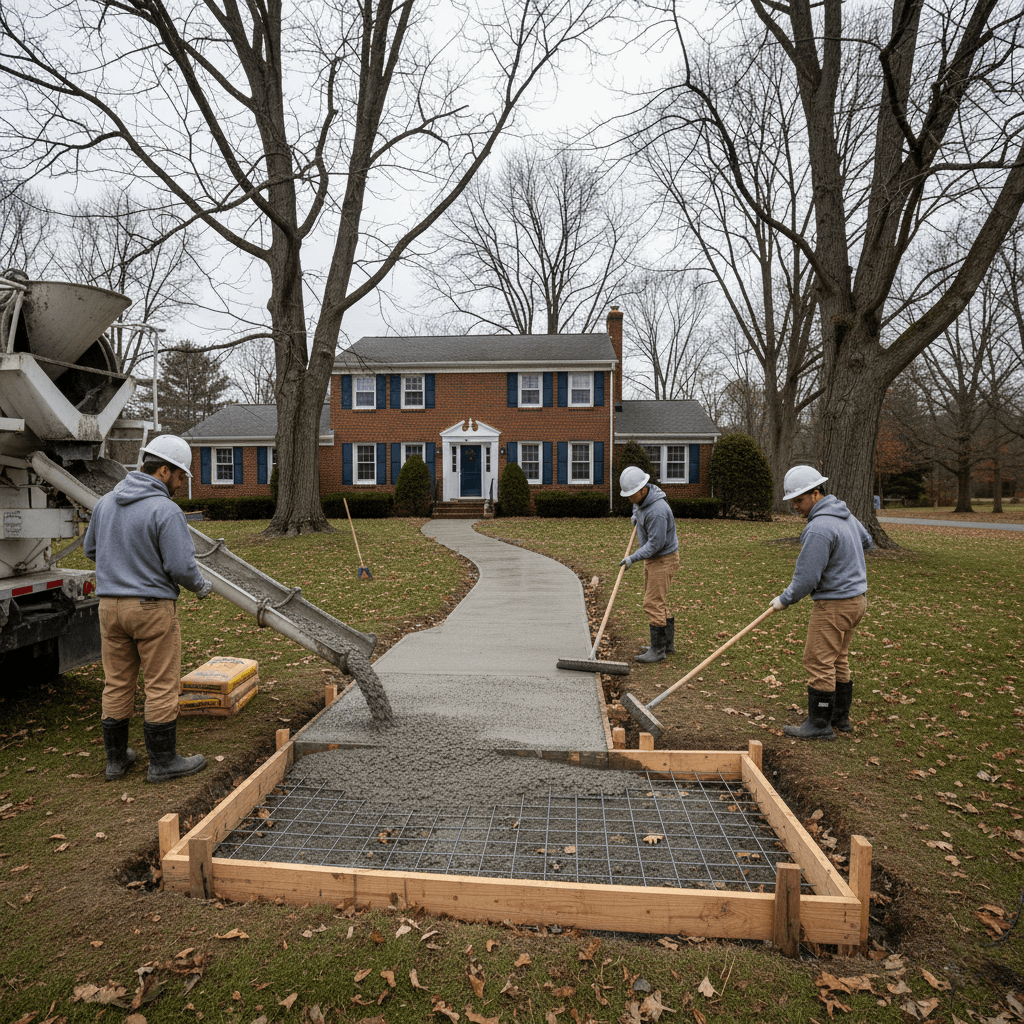
The harsh winters of Schenectady make it very important to plan and build a strong concrete walkway for long-term use. In addition to freezing temperatures in the area, there is also much snow and extreme temperature changes, which can cause many problems with poorly constructed concrete walkways. The areas around the Union College campus are additionally subjected to extremely high volumes of foot traffic, as well as de-icers, which quickly deteriorate concrete walkways. By taking into consideration the local environment (climate) and the soil (geology) of the area, you will be able to construct a walkway that provides safe passage during the entire winter season. Experienced engineers use several different methods to design and build concrete walkways, such as providing an adequate amount of water drainage, incorporating freeze-thaw resistant material,s and using durable building materials that are able to function and look good through extreme cold temperatures and other harsh environmental conditions.
Climate Considerations for Walkways in Schenectady
Temperature swings throughout the year are a significant problem in Schenectady. The repeated freeze-thaw cycles caused by average winter lows around 15°F and frequent high temperatures above 32°F cause water to expand in the pore space within concrete and repeatedly contract upon thawing, resulting in repeated internal pressure on the concrete, causing scaling, spalling, and structural damage over time.
Snowfall averages 60 inches annually, with occasional snowstorms producing measurable amounts of snow that require removal and/or deicing treatment. In addition to snow, properties located near elevated areas of Central Park experience increased snow loadings and prolonged icing conditions, necessitating more durable and traction-enhanced walkways.
Prevention of Freeze-Thaw Damage in Air-Entrained Concrete
Air-entrained concrete is specifically designed to withstand freeze-thaw damage by containing small air bubbles that allow for ice growth without damaging the concrete matrix. In order to provide freeze-thaw resistance, the properly air-entrained concrete should have approximately 6.5% air content with accompanying pressure-relief voids throughout the material.
A minimum 4000 PSI compressive strength will provide sufficient durability for exterior flatwork subjected to freeze-thaw conditions. High-strength concrete has a lower water-to-cement ratio, which reduces permeability and limits water infiltration into the concrete. Dense, well-cured concrete will resist moisture penetration, which results in internal damage during freezing periods.
Drainage Design of Concrete Walkways
A minimum 1/4″ drop per foot of length is required to ensure positive drainage away from structures for concrete walkways. Cross-slope for walkways parallel to buildings is recommended to be a minimum of 1″ per 5′ to direct water towards drainage areas. Proper drainage design will prevent standing water, which creates hazardous slipping conditions and promotes premature degradation of concrete through repeated freeze-thaw exposures.
Design of drainage systems for properties in the densely developed Stockade District must take into account the potential for increased water runoff and limited available drainage areas. Calculating the appropriate drainage design will ensure water flows towards the correct drainage locations without the creation of ice dams or flooding conditions during spring thawing conditions.
Water Surface Management of Concrete Walkways
The use of integrated drainage systems, including catch basins, channel drains, and proper grading, will help to eliminate water accumulation on walkway surfaces. The strategic placement of drainage elements will also enable them to handle both typical precipitation and rapid snowmelt, which are characteristic of spring conditions in Upstate New York. Proper drainage design will also ensure adequate drainage capacity to handle peak flow rates during storm events and thaw periods.
Use of Permeable Base Materials Underneath Concrete Walkways
In addition to improved drainage, permeable base materials underneath concrete walkways will also help to prevent frost heave associated with groundwater. By properly compacting the base materials with adequate thickness, the base will help to distribute loads evenly while maintaining stable support during the freeze-thaw cycles that are common in the Capital Region.
Materials Used in Concrete Mixes for Durability and Resistance to Deicing Salts
Quality concrete mixes with supplementary cementitious materials added will provide long-term durability and reduced permeability. The use of fly ash or silica fume additives will improve the long-term performance of the concrete while reducing bleeding and segregation during the placement process. These additives will produce a denser concrete matrix that will better resist moisture infiltration and chemical attack from deicing salts.
Optimal Water-to-Cement Ratio
The maximum water-to-cement ratio of 0.45 will provide the best combination of workability and durability for exterior walkway applications. Lower water content will result in reduced permeability while still allowing for adequate strength development and finishing characteristics. Proper mix design should include water-reducing admixtures to achieve the desired consistency without compromising performance.
Selection of Aggregate for Winter Conditions
Aggregates selected for their proven freeze-thaw durability will provide long-term performance in Upstate New York conditions. Aggregates with low absorption and good gradation will minimize internal stresses during freeze-thaw cycles. There are quality aggregate sources throughout the Capital Region that provide materials tested for durability and chemical resistance.
Proper Gradation of Aggregates
The selection of the right aggregate gradation will ensure that the concrete produced is dense and has a reduced amount of voids and permeability. Gap-graded mixes should be avoided as they create weak zones that are susceptible to freeze-thaw damage. Continuous gradations will provide the most optimal particle packing to enhance both strength and durability characteristics of the finished product.
Minimum Thickness and Reinforcement Requirements
A minimum thickness of 4 inches will provide adequate structural capacity for pedestrian loading while accommodating freeze-thaw stresses. Properties that receive heavy pedestrian traffic near Proctor’s Theatre may require a 5-inch thickness for improved durability and longer service life. Increasing the thickness of the concrete will provide additional thermal mass that will moderate temperature fluctuations.
Reinforcement
The use of wire mesh reinforcement or discrete steel rebar will help to control cracking of the concrete from thermal stresses and minor settlement. The reinforcement should be placed at the middle depth of the slab to maximize crack control benefits. Proper concrete cover will protect the steel from corrosion while maintaining its structural effectiveness throughout the service life of the walkway.
Spacing and Location of Control Joints
Control joints spaced no farther than 5 feet apart will provide for thermal movement and assist in controlling the location and width of cracks. The joints should extend a minimum of 25% of the slab thickness to provide effective control of cracking. Proper timing of joint placement will assist in eliminating random cracking while providing clean and straight joint lines.
Location and Spacing of Expansion Joints
Expansion joints should be placed at the interface of building edges and every 20-30 feet along the length of the walkway to provide for seasonal movement and prevent damage to the adjacent structure. Quality joint sealants should be used to protect the joint from water infiltration and maintain flexibility during temperature cycles. Periodic inspections and maintenance of the joints will assist in maintaining the effectiveness of the walkway.
Maintenance of Joint Seals
High-quality polyurethane sealants will provide long-term protection against moisture infiltration and debris accumulation in the joints. The sealant should be able to accommodate joint movement while providing a continuous waterproof barrier during temperature cycles. Quality joint seals installed by professionals will provide a strong bond between the sealant and the surrounding concrete.
Inspection and Resealing of Joints
Periodic inspection and resealing of joints will prevent water infiltration that will lead to freeze-thaw damage and undermine the support under the walkway. Areas such as Jackson’s Garden, where organic debris may accumulate and compromise the effectiveness of the joint sealant and contribute to moisture retention, will require special attention.
Traction Features for Winter Pedestrian Safety
Medium-texture broom finishes on the surface of the walkway provide necessary traction for pedestrians during the winter months while providing an aesthetically pleasing finish. Excessive texture will attract debris and complicate maintenance, whereas too little texture will render the surface slick when wet or icy.
Uniform Texture of Finished Surfaces
The uniformity of the texture across the entire surface of the walkway will provide consistent traction characteristics and a professional appearance. Timely completion of the finishing operation will ensure uniform texture and the ability to maintain its effectiveness throughout the walkway’s service life.
Timing of Installation and Protection of Fresh Concrete During Freezing Temperatures
Fresh concrete should not be installed until there have been at least 72 hours of temperatures above 40°F to ensure proper curing and strength development. When cold-weather installations are performed, the materials must be heated, and the fresh concrete must be protected using insulating blankets or enclosures. Fall and spring seasons provide the best opportunity for installation in the Capital Region.
Protecting Fresh Concrete from Freezing Temperatures
Protecting fresh concrete from freezing temperatures during the initial 72 hours after placement is crucial for maintaining long-term durability and performance. If the concrete freezes prior to achieving adequate strength, it will suffer permanent damage that will compromise structural integrity and appearance. Experienced concrete contractors closely monitor weather forecasts and make adjustments to their schedules accordingly to avoid unfavorable installation conditions.
Long-Term Maintenance Considerations
Annual sealing of the walkway with penetrating concrete sealers will protect against moisture infiltration and chemical attack from deicing salts. Quality sealers will reduce scaling and spalling while maintaining the natural appearance of the concrete. When selecting sealers, the contractor should consider both the performance requirements and aesthetic preferences for each specific project.
Repairing Minor Cracks
Repairing minor cracks in the walkway as soon as possible will prevent moisture infiltration that will lead to freeze-thaw damage and progressive deterioration. A professional assessment of the walkway will identify potential problems prior to requiring costly repairs. Performing preventive maintenance will increase the lifespan of the walkway while maintaining safety and aesthetic standards.
ADA Compliance and Accessibility
Designing the walkway to meet ADA compliance standards will ensure safe passage for all users, while meeting regulatory requirements for public and commercial properties. Maximum slopes of 1:20 (5%) will provide accessible routes while providing adequate drainage for winter conditions. Proper cross-slopes and surface textures will accommodate mobility devices while preventing water accumulation.
Properties in proximity to public facilities, such as the Municipal Golf Course and other public facilities, will require enhanced accessibility features that perform adequately during challenging winter conditions. Strategically designing the walkway to incorporate heat elements or enhanced drainage will enable safe and accessible user travel during severe weather conditions.
About Us
Schenectady Concrete Works is a winter-resilient concrete walkway design and construction company serving the greater Capital Region. We understand the local climate challenges and offer comprehensive solutions that provide safe and durable pedestrian access in all weather conditions while maintaining attractive aesthetics that enhance your property values.