Menu
Erosion Control in Schenectady: Retaining Walls vs Natural Slopes
Concrete Retaining Wall Schenectady
Homeowners and property owners in the various topographic areas surrounding Schenectady experience numerous types of erosion challenges based on their location (slope) within the city limits. As a result of these varying topographies, there are many potential locations that vary from flat or gently sloping along the Mohawk River to steeply sloped elevated neighborhoods. Therefore, property owners must understand how well they can manage the erosion at their properties using either natural slope management techniques or with the use of concrete retaining walls to protect their investment(s). The best approach will be dependent on the site conditions, the budget available for the project, and the type of ongoing maintenance desired. A variety of climate-related impacts, such as freeze/thaw cycles and frequent large precipitation events, also affect the ability of the different options for controlling erosion to perform effectively. A professional evaluation should be completed to help identify the best option for the property owner(s), given their specific property conditions and/or environmental concerns.
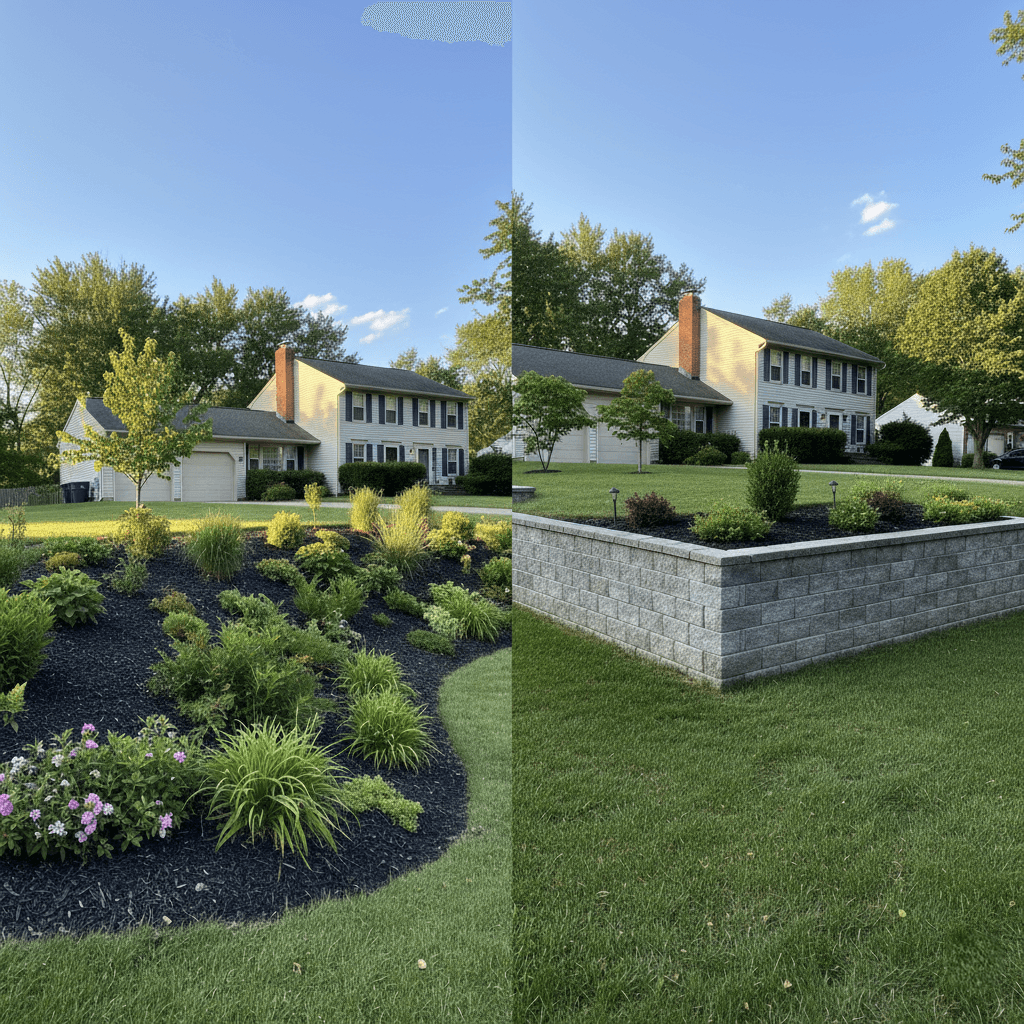
Understanding the Variety of Erosion Risks in Schenectady’s Landscape
Diverse landscapes and varied property types lead to differing levels of erosion threats in each neighborhood and type of property in Schenectady. The proximity to Central Park’s raised lands versus the Mohawk River’s floodplains is just an example of how differences in soil composition and flow of water result in varying erosion risks in different parts of town.
In addition, Schenectady’s climate adds a significant contribution to the community’s erosion issues; the average snowfall per year is 60 inches, and the community experiences regular freeze-thaw cycles, which continue throughout the winter months. When this springtime snow melt is coupled with the increased frequency of rain events during the spring, it creates large amounts of runoff that test the stability of any given slope.
Understanding the local conditions helps property owners make informed decisions about what erosion prevention strategies will most effectively work for them in this particular environment.
Factors That Influence Topography-Related Erosion on Properties
The steepness of a slope directly correlates with the potential for erosion on a property. Angles in excess of 25 percent generally require some sort of intervention to prevent loss of soil. Neighborhoods such as Union College’s campus and nearby neighborhoods have varied elevation changes that create complex drainage patterns that can cause water to collect in areas, and increase the risk of erosion if not properly addressed through some form of control measure. Waterways that naturally occur in the landscape can become focused collection points for water and accelerate erosion if not managed by proper erosion control measures.
Erosion rates are influenced by how long a property is exposed to the elements, especially in areas where the vegetation has been removed or damaged. For example, construction activity, landscaping changes, and storm damage can all leave a property vulnerable to erosion and require immediate stabilization. Recognizing these factors eenablesproperty owners to take proactive steps to mitigate the potential for erosion prior to its occurrence.
Natural Approaches to Managing Slopes
Vegetation and organic methods used to manage slopes focus on stabilizing the slope using natural means while preserving the landscape’s natural character. Native plant species commonly seen in the Stockade District have deep root systems that bond soil particles together and provide a barrier against erosion. Grasses, shrubs, and trees also create living barriers that capture rainfall and slow down surface water velocities.
Revegetation projects that use indigenous species grow well in Schenectady’s moisture regime and provide excellent erosion protection. As vegetated slopes mature and establish themselves, they become low-maintenance, self-sustaining systems for controlling erosion.
Benefits of Using Natural Means of Controlling Erosion
The cost-effectiveness of using natural methods for managing slopes is a major benefit of this approach, with initial installation costs usually less than structural approaches. Over time, the need for maintenance on natural slopes decreases as the vegetation grows and matures. Additionally, natural slopes provide numerous environmental benefits such as improved habitats for wildlife, increased biodiversity, and natural filtering of water.
For many homeowners in residential areas, the aesthetic appeal of natural approaches is also a significant benefit. Properties throughout the GE Realty Plot and other established neighborhoods in Schenectady have benefited from the use of erosion control methods that enhance the appearance of mature landscaping. Finally, natural solutions allow for greater flexibility in modifying plans for a property without requiring costly reconstruction.
Concrete Retaining Walls Provide Reliable Erosion Control
Engineered structures, such as concrete retaining walls, provide quick, dependable erosion control for slopes that cannot be stabilized using natural methods. In addition to resisting lateral soil pressures, these structures allow property owners to create flat spaces for landscaping, driveways, or outdoor living areas. While there are many modern design options available for concrete systems, they can complement both traditional and modern property styles.
Reinforced concrete construction offers durable service (typically 50 to 100 years) under Schenectady’s harsh climatic conditions. Properly installed, concrete systems also include drainage components to prevent hydrostatic pressure build-up behind the walls, and thus prevent wall collapse, which is one of the leading causes of retaining wall failure.
Design Considerations for Concrete Retaining Walls
Design requirements for structural concrete vary based on the height of the wall, the nature of the soil, and the expected loadings (from structures or vehicles) that will be placed on top of the retained area. In order to prevent wall movement during freeze-thaw cycles typical of our area, the foundations of the walls must be extended below the frost line.
Proper placement of reinforcement and specification of the strength of the concrete ensure that walls can resist both static soil pressure and dynamic loads from storms. Drainage design is critical to the success of concrete retaining walls, and may consist of perforated pipes, gravel backfill, and filter fabrics that facilitate the efficient flow of water. Properties located in proximity to Proctor’s Theater and downtown areas may have to consider additional factors related to stormwater management and connection to municipal drainage systems. Waterproofing of concrete also extends the lifespan of the structure and prevents damage due to moisture.
Cost Comparison of Concrete Retaining Walls vs. Natural Slope Stabilization
Generally speaking, initial installation costs for concrete retaining walls are 2 to 5 times greater than for natural slope stabilization methods. However, long-term cost comparisons often favor engineered solutions where natural solutions would need to be replaced or supplemented regularly. The costs associated with labor, materials, and equipment involved in installing concrete structures are substantial and are the largest portion of the up-front expense for concrete installations.
Natural slope stabilization methods involve ongoing maintenance, including planting new vegetation, fertilizing, and irrigating until the plants reach maturity. In the event of severe weather or construction damage, a property owner may need to restore the entire vegetated slope. On the other hand, properly constructed concrete walls require very little maintenance, aside from occasional inspections and minor repairs. Consequently, the costs for maintaining a concrete retaining wall are very predictable and therefore provide a good return on investment.
Enhancing Property Value Through Erosion Control
Whether a natural or engineered erosion control solution is chosen depends on the characteristics of the neighborhood and the preferences of prospective buyers. Concrete retaining walls can provide immediate usable space, can be designed to accommodate outdoor living features, and may enhance the overall property value of the site. Natural slopes require a longer period of time to mature; however, once they do, they provide many of the same environmental benefits that attract buyers to a property.
Insurance Companies May Favor Engineered Solutions
Insurance companies may favor engineered erosion control solutions in high-risk areas where erosion may pose a threat to structures or adjacent properties. Documented evidence of the design and installation of the engineered solution may provide a degree of insurance coverage that is not provided by informal natural solutions. Neighborhoods such as Jackson’s Garden that have historically high erosion rates may benefit from comprehensive erosion control solutions that protect long-term investments in properties.
How Concrete Retaining Walls Perform in Schenectady’s Harsh Climatic Conditions
Concrete retaining walls are subject to the same freeze-thaw cycles in Schenectady as are natural slopes. Therefore, the designs of the walls must account for the extent of frost penetration and thermal expansion and contraction to prevent cracking and structural failure. Careful attention must be paid to the placement of joints and reinforcing details to accommodate the seasonal changes in temperatures without compromising the structural integrity of the wall.
Seasonal Dormancy of Vegetation Reduces Erosion Protection Effectiveness
During the spring, natural slopes experience the greatest amount of erosion due to the combination of melting snow, dormant plant coverage, and saturated soil conditions. Understanding the seasonal variations in the effectiveness of natural vegetation-based erosion control enables property owners to schedule maintenance and implement supplementary erosion protection measures when needed.
Durability of Concrete Structures
Typically, concrete structures will last anywhere from 50 to 100 years, assuming the structure was properly designed and constructed for local conditions, and is properly maintained. Several factors impact the longevity of a concrete structure, including the quality of materials used in the construction process, the construction techniques employed, and the maintenance performed on the structure. Regular inspections and prompt repairs of small problems will prevent major structural failures that may require the replacement of the entire wall.
Natural Systems Require Ongoing Maintenance
To remain effective as an erosion control tool, natural systems require continued maintenance, including replanting, pruning, and adjusting irrigation to meet seasonal needs. Once a natural system reaches maturity, it can be highly effective as an erosion control tool; however, the owner must continue to provide the necessary support and care throughout the entire lifetime of the system. Successful long-term natural slope management has occurred at sites such as the Municipal Golf Course in Schenectady.
Decision Factors Specific to Each Site
When selecting the best method of controlling erosion on a site, the first decision factor is the steepness of the slope. Generally speaking, if the angle of the slope exceeds 50 percent, the best course of action is to use an engineered solution to stabilize the slope. Soil composition is another decision factor since it influences the ability of natural plant growth to establish itself as well as the foundation requirements for a concrete structure. Geotechnical investigations are necessary to provide the data required to select the most effective erosion control strategy for a specific site.
Spatial Limitations Can Favor Engineered Solutions
Urban sites often require the use of engineered solutions to maximize land use. Properties in downtown Schenectady are examples of urban sites that require engineered solutions to accommodate necessary structures in limited areas. While natural solutions require sufficient space to allow for root development, they may not be suitable for urban sites with limited spatial availability.
Legal Compliance With Regulations and Permits
While permitting may be required for concrete retaining walls that exceed specific heights, Schenectady’s Building Department can provide guidance on local regulations and requirements. Depending on the location of the site, the modification of slopes using natural means may require environmental permits if the modification affects wetlands or streams. Understanding the relevant regulations and permits is essential to selecting an appropriate erosion control solution that meets legal requirements.
While professional services are not always required for unpermitted work, hiring a contractor who understands local conditions and regulations is recommended to assist with the planning and installation of the erosion control solution. Additional regulatory requirements may apply to properties located in historic districts or environmentally sensitive areas that may limit the selection of an erosion control solution.
Combination of Natural and Engineered Solutions
Using a combination of natural vegetation and engineered concrete retaining walls to control erosion on a site may provide the best results while meeting multiple objectives of a site. Terracing of complex slopes can be achieved using a combination of engineered and natural elements to provide effective erosion control while maintaining an aesthetically pleasing appearance. The key to combining natural and engineered solutions is to carefully plan the integration of the two so that they function compatibly.
Phasing of the Installation Process
Allowing property owners to initially address immediate slope instability issues using engineered solutions while establishing natural systems over time provides flexibility in budget management and the opportunity to evaluate the effectiveness of various techniques based on site performance. Combining both natural and engineered solutions may provide the best results for sites with a variety of slope configurations.
Ongoing Maintenance and Long-Term Performance
Periodic inspections of concrete retaining walls should include checks for cracks, joint movement, and drainage system performance. Clearing debris from drainage outlets will prevent water from backing up behind the walls and causing further instability to the wall. Addressing small repairs will prevent major structural problems from occurring that will require significant reconstruction efforts.
Maintenance of natural slope systems involves ongoing management tasks, such as vegetation management, replanting damaged areas, and adjusting irrigation systems to meet the changing conditions of the season. Fertilizers and soil amendments will promote the health of the vegetation and improve the effectiveness of the natural slope as an erosion control tool. By understanding the requirements for maintaining natural slopes, property owners will be able to budget for the long-term care of their systems.
Schenectady Concrete Works recognizes the unique erosion challenges faced by property owners in this region and assists in identifying when the use of concrete retaining walls will provide the best long-term value for your investment. We possess knowledge of local soil conditions, climate factors, and building codes, and utilize that knowledge to identify the best solution for your erosion control needs, and provide professional installation that will effectively control erosion for generations to come.